Roof Repair in Orlando FL
Fast, Reliable, and Trusted Local Roofing Service
Roof problems can escalate quickly in Florida. Whether you are dealing with a leak, storm damage, or noticeable wear, timely repair protects your home and prevents costly structural issues. Bradford Roofing and Construction provides honest evaluations, skilled repairs, and friendly service from a licensed and insured team with more than 26 years of experience.
Our experts will assess the issue, explain your options, and provide a clear repair plan.
Call Now for Fast and Friendly Service
Professional Roof Repair You Can Trust
Roof repairs in Central Florida aren’t something homeowners can take lightly. A small issue in Florida’s climate can turn into a major structural problem quickly. Whether you’ve noticed a slow leak, cracked shingles, slipping tile, or sudden storm damage, timely repair protects your home from escalating damage.
At Bradford Roofing and Construction, we understand that homeowners want clear answers and reliable solutions. You want to know what’s wrong, what needs to be fixed, and how to prevent the problem from returning. With 26 years of experience and over 1,000 completed roofing projects, we provide affordable roof repair in Orlando that is rooted in accuracy, honesty, and long-term protection.
A roof is your home’s primary defense system. When any part of it becomes compromised, water finds its way through decking, framing, insulation, drywall, and flooring. Fast response, paired with experienced diagnostics, ensures that repairs address not just symptoms but underlying causes.
Why Roof Repair Matters More in Florida Than in Other States
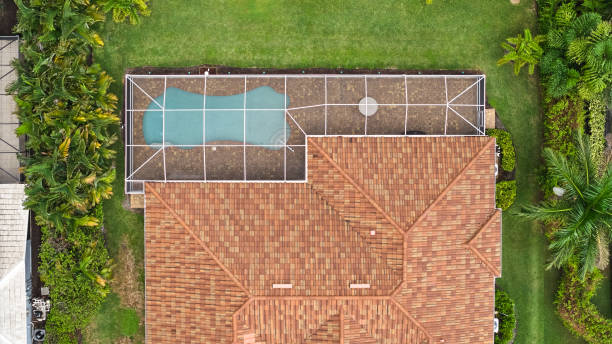
Florida’s weather patterns expose roofs to extreme conditions that accelerate deterioration faster than nearly anywhere else in the country.
Intense UV Exposure
Daily sun exposure breaks down asphalt binders, causing shingles to curl, crack, and lose granules. On tile systems, UV damage affects underlayment long before tile shows visible wear. Early roof repair prevents surface damage from becoming structural damage.
Thermal Expansion and Heat
Roofs expand under Florida’s heat and contract when temperatures drop. This movement weakens adhesives, loosens fasteners, and opens gaps around flashing. Moisture enters these micro-openings long before homeowners notice interior staining.
High Humidity
Humidity accelerates underlayment decay, causes moisture retention in decking, and encourages mold growth inside the attic. Proper roof repair and moisture correction prevents decay from progressing into the structural components of the home.
Heavy Rainfall
During Florida’s rainy season, even a small breach can admit significant water. One cracked tile, lifted shingle, or deteriorated vent boot can allow gallons of water into attic spaces over the course of a storm.
Hurricanes and Tropical Storms
Wind uplift doesn’t need to tear shingles off the roof to cause damage. Even slight lifting breaks the seal, allowing water to penetrate beneath the roofing surface. Tile roofs experience similar issues when wind shifts tile or stresses underlayment.
Florida’s climate
Florida’s climate doesn’t give homeowners much margin for error. When damage begins, it spreads faster than most homeowners expect, which is why timely repair remains one of the most cost-effective forms of roof maintenance.
What Homeowners Typically Notice Before Calling for Repair
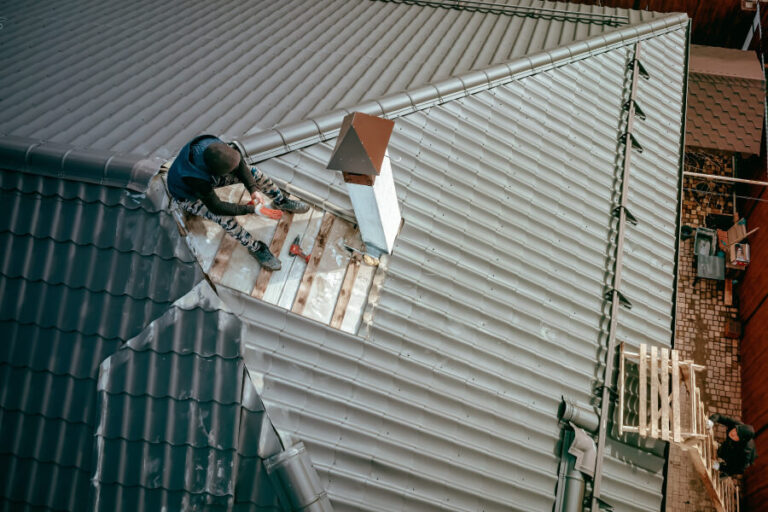
Most homeowners only call once the signs become obvious, which is completely understandable. But by the time symptoms appear, moisture is often already inside the system.
Common early warning signs include:
• A leak during or after a storm
• Water rings on ceilings or walls
• Granules collecting in gutters
• Soft spots in attic walk areas
• Musty odors indicating trapped moisture
• Cracked or impacted tile
• Missing shingles on visible slopes
• Increasing energy bills from ventilation imbalance
Each of these signs suggests that the roof’s waterproofing barrier has been compromised.
When these issues appear on multiple slopes or across multiple areas of the roof, homeowners often transition from roof repair to considering roof replacement in Orlando for long-term stability.
A proper inspection determines the correct path.
The Most Common Signs Your Roof Needs Professional Repair
Many roofing issues develop gradually, often long before a homeowner notices a leak inside the home. Florida’s weather speeds up roofing deterioration, which means identifying early warning signs is key to preventing expensive damage.
Below are the most common signs that indicate it’s time to schedule roof repair in Orlando from a trained, licensed professional.
1. Missing or Lifted Shingles
Shingles loosen or lift due to wind uplift, old adhesive seals, thermal movement, or improper fastening. Lifted shingles allow water to bypass the top layer of protection and soak into underlayment.
2. Granule Loss and Bare Spots
Granules protect the asphalt layer from UV damage. When granules start collecting in gutters or on patios, the shingles are losing critical protection and deteriorating faster.
3. Cracked or Slipped Tile
Tile roofs may appear intact from the ground, but even hairline cracks allow water to reach underlayment. Tile slippage often indicates fastener issues or underlayment deterioration.
4. Water Stains or Ceiling Discoloration
Stains on ceiling drywall or upper walls indicate that water is penetrating the roofing system. Even small stains suggest the leak has existed longer than you realize.
5. Soft Spots or Sagging Areas in the Attic
Wood decking weakens when exposed to moisture. Soft spots are a sign of prolonged water intrusion and should be addressed immediately.
6. Moldy, Musty, or Damp Odors
A persistent odor in the attic or upper rooms can indicate hidden moisture from a roofing leak. Mold grows quickly in Florida’s humidity, making immediate attention crucial.
7. Rising Cooling Bills
Compromised ventilation or damaged roofing insulation can cause significant increases in energy use. Repairing airflow issues extends roof lifespan and lowers energy costs.
8. Visible Damage After a Storm
Wind-driven rain, flying debris, and uplift forces create micro-tears and cracks that are not always visible from the ground. Any storm event warrants a professional inspection.
Hidden Roof Damage Most Homeowners Never See
Not all damage is visible from the ground or even with a quick visual inspection. Many roof failures begin in the components that sit beneath the surface.
Underlayment Damage
Underlayment forms the primary waterproofing barrier beneath shingles or tile. When underlayment cracks, buckles, or separates, water intrusion becomes inevitable even if surface materials appear intact.
Flashing Failures
Flashing around chimneys, vents, skylights, and valleys often deteriorates faster than the rest of the roof. Improper installation or sealant failure around flashing causes leaks that travel far from the entry point.
Vent Boot Deterioration
Rubber vent boots dry out and split in intense heat. These small openings allow water to trickle down vent pipes and cause hidden damage in walls and attic spaces.
Attic Moisture & Condensation
Even without roof penetration, moisture can accumulate from poor ventilation. Condensation mimics leak symptoms and damages insulation, wiring, and wood structure.
Fastener Back-Out
Nails or screws can lift from decking over time, creating pinpoint holes where water enters during storms. These issues rarely appear in casual inspections.
Florida roofing systems require routine professional evaluation to detect early-stage issues and prevent widespread damage.
When Roof Repair Is the Right Choice
Many homeowners worry that calling a roofer means they’ll be pressured into full replacement. At Bradford Roofing and Construction, repairs are recommended when they’re the best long-term solution, not when they maximize revenue.
Roof repair is often appropriate when:
• Damage is isolated to a small area
• The roof is still within its expected lifespan
• Underlayment is intact and functional
• Flashing failure is localized
• A leak is new and confined to a small zone
• Tile itself is in good condition
• Wind lift affected only one portion of the roof
Targeted repair extends system lifespan and postpones major expenses.
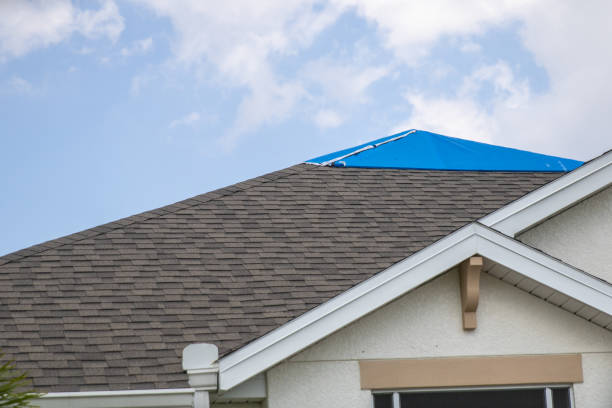
When Roof Replacement Is the Better Long-Term Option
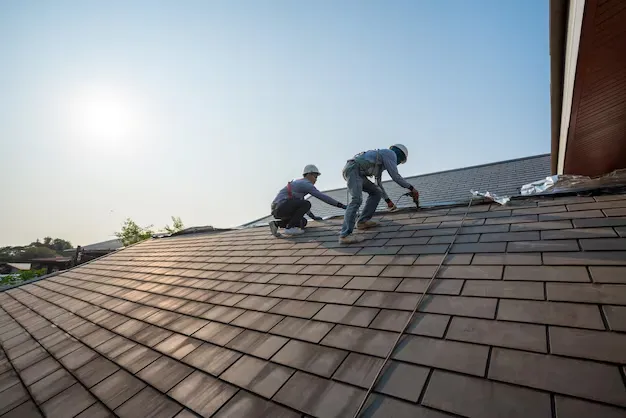
Some homeowners hesitate to replace a roof when repairs appear cheaper upfront. But if multiple areas are failing or underlying components are compromised, replacement is often the more cost-effective and protective option.
Roof replacement becomes necessary when:
• Leaks happen repeatedly in different areas
• Shingle roofs are 15–20+ years old
• Tile underlayment has failed
• Decking shows signs of rot or sagging
• Storm damage affects multiple slopes
• Insurance refuses renewal based on roof age
• Repair costs begin adding up significantly
When these conditions appear, roof replacement in Orlando often provides a better return on investment than continued patchwork repairs.
We guide homeowners through this decision transparently, explaining inspection findings, lifespan expectations, and financial considerations.
Understanding Storm-Related Roof Damage
Florida storms produce unique roofing problems; some obvious, some hidden.
Wind Uplift
Wind can break the adhesive seal beneath shingles or shift tile just enough to let water enter. Even when shingles remain in place, uplift weakens the roof’s water barrier.
Flying Debris
Branches, objects, or airborne debris can puncture shingles, crack tile, or dent metal panels. These impact points often worsen during the next rain event.
Wind-Driven Rain
Horizontal rain can penetrate flashing, ridge vents, and small gaps that would otherwise remain dry.
Homeowners unsure whether their damage is storm-related may benefit from an evaluation through our storm damage and insurance claim support services.
Roof Leak Repairs and Finding the True Source
Roof leaks are common in Orlando, but the visible drip or stain is almost never the true entry point. Water travels along rafters, decking, and insulation before appearing inside the home.
Effective leak repair requires:
• Moisture tracing inside the attic
• Inspection of penetrations such as vents and chimneys
• Evaluation of valleys and high water flow areas
• Identification of nail pops
• Examination of underlayment and flashing integrity
If leaks reappear after previous repairs, the issue may involve deeper deterioration. In those cases, roof replacement in Orlando often provides better long term protection.
However, many leaks are fully repairable and stop immediately when the correct source is identified.
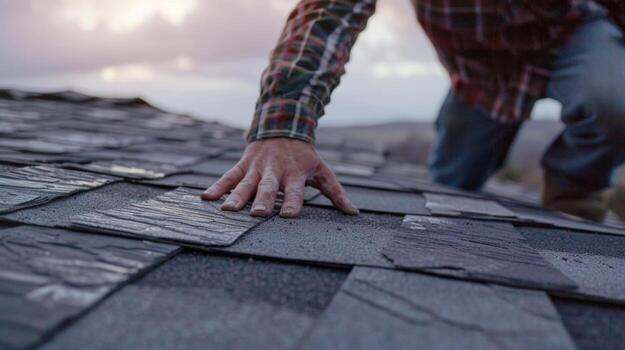
How Professional Roof Repairs Are Performed
A successful roof repair is built on accuracy, proper diagnosis, and complete restoration of the affected area. At Bradford Roofing and Construction, every repair follows a methodical process that protects your home and prevents the issue from returning.
Detailed Problem Diagnosis
Removing Damaged Materials
Inspecting Underlayment and Decking
• Underlayment condition
• Moisture saturation
• Wood rot or softness
• Fastener displacement
• Mold or biological growth
Any damaged decking is replaced to ensure strength is fully restored.
Installing Replacement Roof Components
Waterproofing and Final Sealing
Tile Roof Repairs and Protecting the Underlayment Layer
Tile roofing is designed to last, but tile is not the true waterproof layer. The underlayment beneath it performs the waterproofing function, and this is usually where damage begins. Proper repairs protect both the tile and the critical underlayment.
Common tile repair needs include:
Cracked Tile Replacement
Cracks occur from debris, expansion, or shifting. Broken tiles expose underlayment and accelerate damage.
Correcting Tile Slippage
Slipped tile disrupts water flow and allows moisture to collect beneath the system. Realignment and re-fastening prevent failure.
Valley and Flashing Repairs
Valleys manage significant water during storms. If the tile or flashing in these areas is compromised, leaks often follow.
Underlayment Spot Repairs
When only a small portion of underlayment is damaged, spot repairs can extend the lifespan of the entire tile system. When underlayment failure becomes widespread, full tile roofing system restoration is typically the recommended solution.
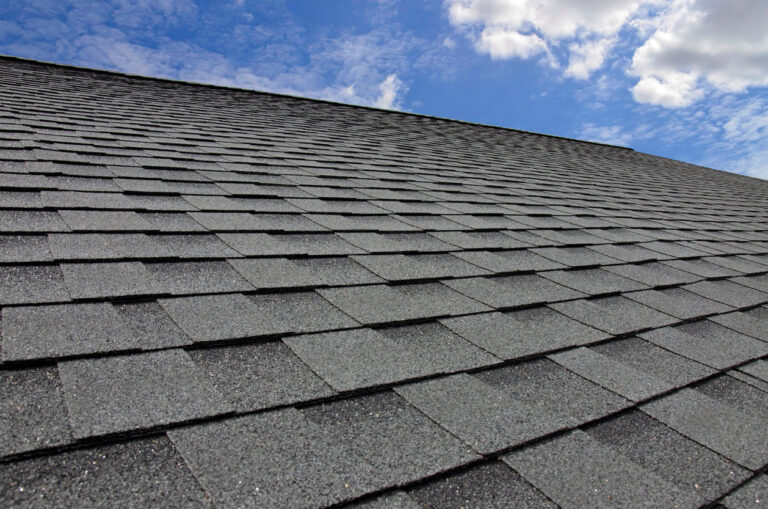
Shingle Roof Repairs for Fast and Reliable Protection
Shingle roofing remains the most common in Central Florida, and it requires ongoing attention due to heat and storm exposure.
Typical shingle repairs include:
• Replacing missing shingles
• Securing wind lifted shingles
• Correcting nail pops
• Resealing ridge caps
• Repairing edges and starter rows
• Replacing deteriorated pipe boots
If repairs begin to occur frequently, evaluating whether roof repair or replacement is the better choice is often beneficial.
Metal Roof Repairs Performed with Precision
Metal roofs are engineered systems that require specialized repair methods. Improper repairs can shorten the lifespan of the entire system.
Metal repairs often involve:
• Securing loose panels
• Replacing worn fasteners
• Re sealing penetrations
• Correcting corrosion
• Realigning seams
• Stabilizing ridge caps
A trained metal roofing technician ensures the work blends seamlessly into the existing system.
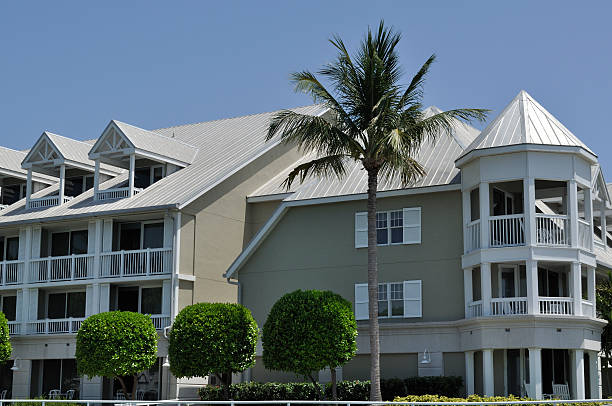
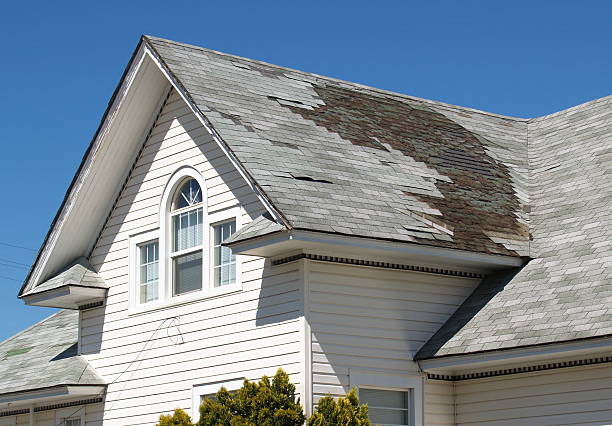
Storm Damage Repairs
Florida storms produce unique roofing challenges. Even moderate storms can compromise waterproofing layers without creating obvious surface damage.
Storm repairs may include:
• Repairing wind lifted shingles
• Replacing broken tile
• Resealing exposed underlayment
• Correcting ridge vent movement
• Reinforcing displaced flashing
• Addressing attic moisture after storms
Homeowners filing claims rely on our storm damage and insurance claim support services for documentation and guidance.
Emergency Roof Repair
Some situations cannot wait for regular scheduling. Emergency roof repair protects the home from immediate weather exposure.
Emergency services include:
• Tarping openings
• Temporary leak sealing
• Stabilizing fasteners
• Placing temporary shingles or tile
• Redirecting water away from vulnerable slopes
• Preventing further water entry during ongoing storms
When emergencies occur, homeowners often request immediate roof repair in Orlando to protect their interior before additional damage occurs.
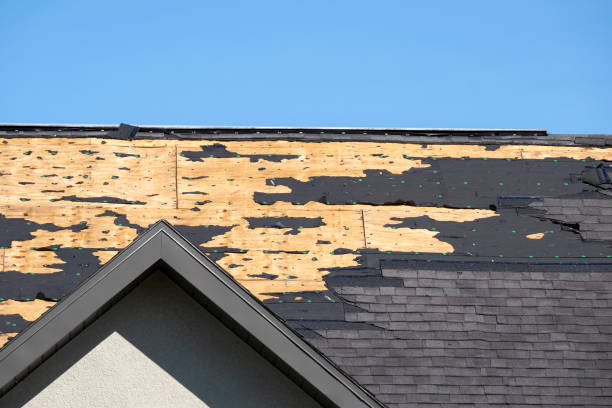
Structural Considerations During Repair
A high quality roof repair restores both surface materials and structural integrity. This requires attention to:
Decking Strength
Soft or compromised decking must be reinforced or replaced.
Flashing Integration
Correct flashing installation prevents leaks at transition points, not just at the repair area.
Ventilation
Poor ventilation leads to premature roofing failure. Repairing ventilation issues can reduce future repairs.
Transition Areas
Areas where walls meet slopes, where valleys form, or where different roof planes intersect require special attention. These are the most common leak points in Florida homes.
By addressing structure and waterproofing together, repairs last longer and offer stronger protection.
Roof Repair Cost in Orlando
Roof repair costs vary based on several factors. Florida homes face unique conditions, and the cost of repair reflects the specific materials and labor needed to ensure long term durability.
Factors that influence repair cost
• Roofing material type, such as shingle, tile, or metal
• Size of the affected area
• Number of slopes involved
• Whether underlayment or decking needs replacement
• Type of damage, such as wind uplift, impact points, or leaks
• Accessibility and roof pitch
• Labor required for specialty repairs
• Time needed for moisture correction
Shingle repairs tend to be the most affordable because the materials and installation process are straightforward. Tile repairs fall in the moderate to higher range because tile must be handled with care and underlayment evaluation is more complex. Metal repairs can vary depending on panel type and the precision needed to reseal or re-secure joints.
If repair costs begin approaching a significant portion of full system replacement, homeowners may benefit from reviewing an estimate for roof replacement in Orlando so they can make an informed long term decision.
A written estimate is provided before any work begins, and our team explains the findings in clear, easy to understand language so homeowners feel confident about the next steps.
Insurance and Roof Repair in Florida
Many homeowners wonder whether roof repair is covered by their insurance policy. Coverage depends on the cause of the damage. Sudden and unexpected events are more likely to qualify, while wear and tear is generally not covered.
Insurance often covers repairs caused by
• Wind related damage
• Debris impact
• Hail damage
• Sudden structural failures caused by storms
• Water intrusion from a qualifying weather event
Insurance usually does not cover repairs caused by
• Age related deterioration
• Long term neglect
• Improper maintenance
• Cosmetic issues that do not affect function
In cases involving storm related damage, homeowners may need documentation, photographs, and professional inspection reports. Our team provides support through our storm damage and insurance claim process guidance so homeowners understand how to proceed.
Insurance can be confusing for many homeowners. We believe in making the process as simple as possible by helping you understand what the inspector sees and how the policy may apply.
Florida Building Code and Roof Repair Requirements
Florida Building Code protects homes from wind, rain, and structural failure. Even small repairs must meet code requirements to ensure long term safety.
Correct repairs follow the updated code standards for:
• Fastener patterns
• Underlayment attachment
• Flashing installation
• Valley construction
• Secondary waterproofing layers
• Transition reinforcement
• Ventilation requirements
For homeowners, this means any repair must be completed with precision. A simple surface fix is not enough. The repaired area must meet the same strength and performance expected of a new roof system.
Because Bradford Roofing and Construction adheres to Florida Building Code on every repair, homeowners gain both immediate protection and ongoing peace of mind.
Warranty, Lifespan, and Maintenance After Repair
A proper repair extends the life of your roofing system and preserves your investment.
Warranty Protection
We provide workmanship warranties on qualifying repairs, meaning the repaired section is backed by our expertise. Manufacturer warranties remain active when materials are installed according to guidelines, which we follow carefully with every project.
Expected Lifespan After Repair
The lifespan of a repaired roof depends on:
• Overall age of the roof
• Type of material
• Condition of underlayment and decking
• Ventilation quality
• Frequency of storms
A well executed repair can add years of reliable performance to your roof.
Maintenance Recommendations
• Schedule annual roof inspections
• Clean gutters to prevent overflow
• Remove debris from the roof surface
• Trim trees that hang over your home
• Schedule a post storm inspection after significant weather events
These steps protect the roof system and help prevent new issues from developing.
Yes. Many leaks are isolated and fully repairable when the surrounding structure remains healthy. Proper diagnosis is essential.
Immediately. Water intrusion spreads quickly, especially in humid climates, and can cause structural decay if left unaddressed.
Older roofs may still function, but inspections help identify early vulnerabilities. Repairs can extend system life and delay the need for full replacement.
No. Many homeowners continue their day while repairs are completed. Noise levels are higher, but your presence is not required.
Insurance may cover repairs caused by wind, hail, or sudden storm events. Damage caused by aging or lack of maintenance is usually not covered.
Yes. Tile repair is common and often effective. Underlayment condition determines whether repairs or replacement are appropriate.
Multiple leaks, significant age, widespread material failure, or extensive underlayment issues may indicate the need for roof replacement in Orlando.
Schedule Your Roof Repair Appointment
Roof issues rarely improve over time. Early repair protects your home, saves money, and prevents structural deterioration. If you have noticed damage, leaks, or signs of wear, our team is ready to help.