Storm Damage Roof Repair and Insurance Claim Support in Orlando FL
Fast Help When You Need It Most
Storms can damage a roof in seconds, and the effects are often overwhelming for homeowners. Wind, heavy rain, and debris can create leaks, broken shingles, cracked tile, and hidden structural problems. At the same time, navigating an insurance claim can feel confusing and stressful. Bradford Roofing and Construction provides rapid storm response, clear communication, and experienced claim support so homeowners feel protected from the moment damage occurs.
Our experts will assess the damage, document the findings, explain your options, and provide a clear plan for moving forward.
Call Us for Fast and Friendly Service
Understanding Storm Damage in Florida and Why Professional Evaluation Matters
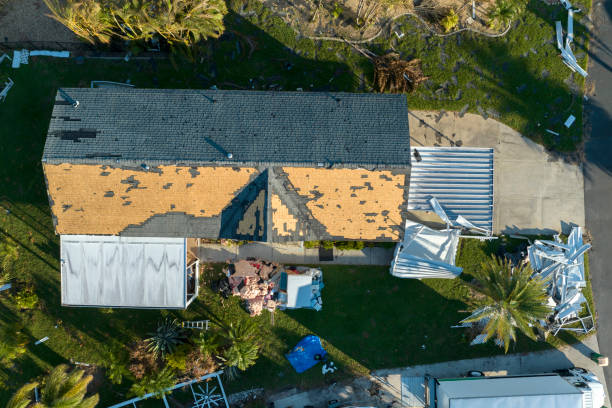
Storms in Florida are uniquely aggressive. A roof may endure months of sunlight, heat, and humidity, only to be hit suddenly by intense wind and heavy rainfall. Even a brief storm can shift shingles, break tile, loosen metal panels, or push water into vulnerable areas of the roof. Larger weather systems, including tropical storms and hurricanes, create sustained pressure that tests every layer of the roofing system.
Homeowners often believe storm damage is always obvious. They expect to see missing shingles or broken tile before assuming anything is wrong. Unfortunately, much of the most serious storm damage is hidden. Water can enter beneath the roofing surface without leaving immediate signs. Wind uplift can loosen shingles or tile without blowing them off, leaving the roof vulnerable to the next rainfall. Flashing can separate slightly, allowing water to travel several feet before appearing inside the home.
This is why a professional storm inspection is essential. A trained roofing specialist can identify both visible and concealed damage that the untrained eye may miss. Bradford Roofing and Construction performs detailed evaluations that include surface inspection, attic moisture tracing, underlayment exposure detection, and documentation that supports insurance claims when applicable.
Many homeowners do not realize that storm damage often begins with very small vulnerabilities. A lifted shingle may not look dangerous, but the broken seal no longer protects against water intrusion. A cracked tile may not leak immediately, but each rainfall causes more moisture to reach the underlayment. Even minor dents on metal roofing can compromise protective coatings that prevent corrosion. Florida weather amplifies these conditions, and what starts as a small opening soon becomes a pathway for serious damage.
Storm damage is not limited to roof leaks. Moisture can enter attic insulation, affecting energy efficiency and air quality. It can saturate decking, leading to soft spots or structural weakness. Water can travel down ventilation pipes or behind exterior walls before finally becoming visible inside the home. By the time stains appear on ceilings or walls, the damage has often been spreading for weeks or months.
Homeowners who delay evaluation often face larger repair costs later. That is why prompt roof repair is essential after any major weather event.
Early intervention can prevent the need for deeper structural repairs. It can also protect your eligibility for an insurance claim, since many policies require timely reporting of storm related issues.
Bradford Roofing and Construction provides storm assessments that focus on:
• Wind uplift indicators
• Missing or damaged shingles
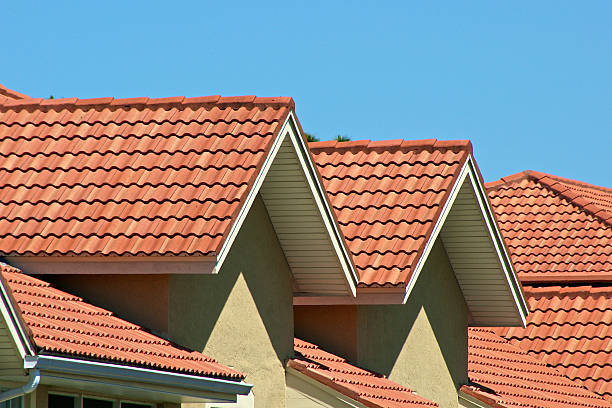
• Cracked or slipped tile
• Metal panel movement
• Exposed underlayment
• Impact damage from debris
• Flashing separation
• Ridge vent issues
• Attic moisture trails
• Decking condition
This process ensures that homeowners receive a complete understanding of the roof’s condition. If repair is the correct solution, we provide a detailed plan. If damage is widespread or affects deeper layers, we may recommend roof replacement in Orlando, but only when it is clearly necessary.
Storm damage often involves insurance. Many homeowners are unsure how to begin or what is required. They worry about documentation, adjuster appointments, or whether the claim will be approved. Bradford Roofing and Construction helps guide you through the insurance claim process, ensuring clear communication and proper evidence.
A storm damaged roof creates uncertainty, but with the right team and the right evaluation, homeowners move forward with confidence. Bradford Roofing and Construction is here to help at every step.
Types of Storm Damage, Hidden Structural Issues, and Why Fast Action Matters
Storms affect Florida roofs in many different ways, and each type of damage presents unique risks. Some issues are immediately visible. Others remain hidden until the next rainfall. Understanding how storm damage occurs helps homeowners recognize why a professional inspection is essential after any major weather event.
The Most Common Types of Storm Damage in Florida
Storm damage usually falls into four main categories. Each one requires a different repair strategy to restore the roof’s integrity and prevent further deterioration.
Wind Damage
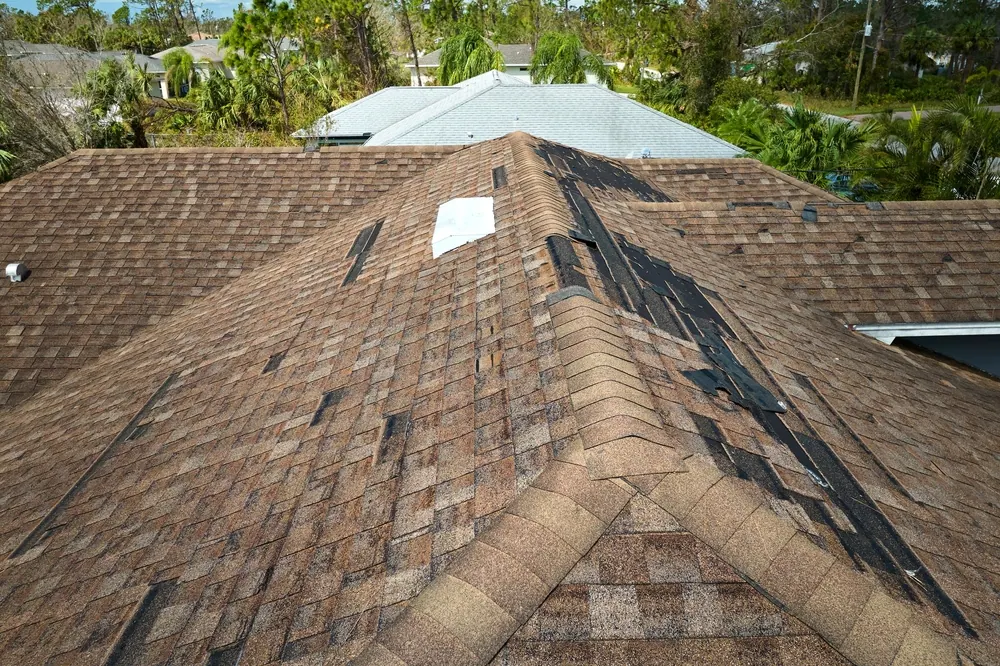
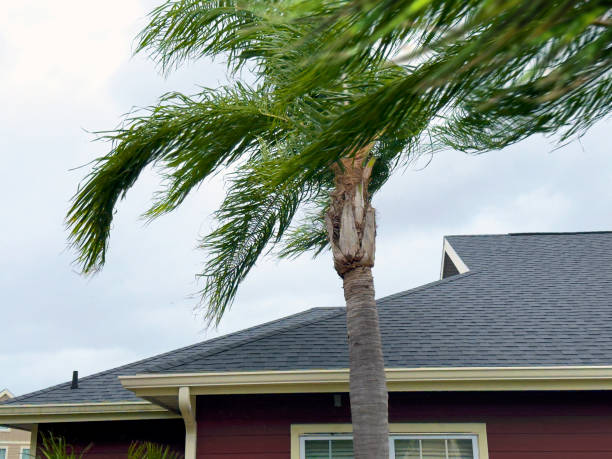
Strong winds can lift shingles, break tile, shift metal panels, or pull at roof edges. Even if shingles remain attached, wind can break the adhesive seal beneath them. Once a shingle loses its seal, it no longer provides effective waterproofing. Future storms can worsen the problem, and water begins to move underneath the roofing surface.
Wind damage is especially common near roof edges, ridges, and areas that face the direction of the storm.
Wind Driven Rain
This type of damage occurs when rain is pushed horizontally during storms. Water can enter parts of the roof that would normally remain dry. It can move behind flashing, into ridge vents, or beneath lifted shingles and tiles.
Wind driven rain is one of the most common causes of attic moisture, ceiling stains, and hidden leaks.
Debris Impact Damage
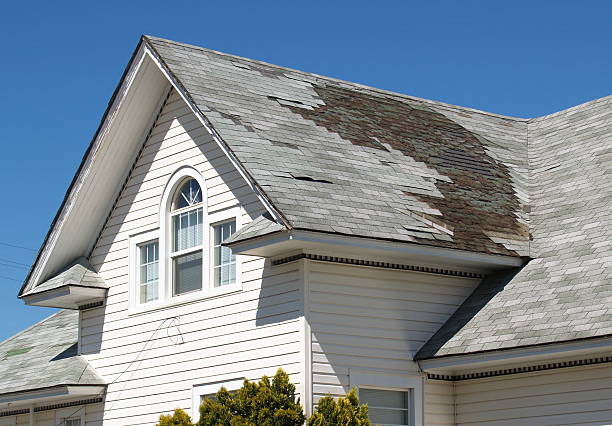
Branches, palm fronds, or airborne objects can strike the roof with enough force to cause cracks in tile, dents in metal panels, or punctures in shingles. Tile roofs are particularly vulnerable to small fractures that allow water to reach the underlayment.
These impact points often go unnoticed until the next major rain event, when water reaches the damaged area.
Torrential Rain and Saturation
Florida storms often bring periods of intense rainfall. When water overwhelms valleys, flashing systems, or weakened areas of the roof, it can penetrate the underlayment and spread quickly.
Even a minor vulnerability that never leaked before can suddenly fail under prolonged, heavy exposure.
Hidden Storm Damage That Homeowners Rarely See
Some of the most serious storm related issues are invisible from the ground. Without a professional inspection, these problems can remain undetected until major repairs are required.
Underlayment Exposure or Failure
The underlayment is the true waterproof barrier beneath shingles and tile. When storms lift roofing materials or crack tile, UV and moisture exposure begin to break down the underlayment. This often leads to delayed leaks that appear weeks or months after the storm.
Flashing Separation
Flashing protects the most vulnerable points of your roofing system. Storms often create tiny shifts in flashing that allow water to enter around chimneys, walls, or penetrations. These leaks rarely appear close to the source and can cause prolonged moisture damage.
Fastener Movement
High winds cause fasteners to lift slightly out of the decking. These tiny openings create a direct pathway for water. Fastener movement is one of the most common hidden causes of recurring leaks in shingle roofs.
Attic Moisture Trails
When wind driven rain enters the roof, moisture often travels along rafters, decking, or insulation before becoming visible. This can lead to mold, wood rot, and structural weakening.
Bradford Roofing and Construction performs interior and exterior evaluations that identify these hidden problems before they worsen. This is a critical part of effective storm damage roof repair.
Why Fast Action After a Storm Matters
Delaying storm evaluation and repair can lead to much larger problems. Florida’s heat, humidity, and frequent rainfall accelerate deterioration once water enters the system.
Preventing Structural Damage
Water that enters underlayment or decking begins breaking down wood structure. Over time, this results in soft spots, sagging areas, and compromised roof strength.
Protecting Insulation and Air Quality
Wet insulation loses its effectiveness. Moisture also contributes to mold growth, which can impact indoor air quality and require costly remediation.
Avoiding Insurance Complications
Most insurance policies require storm damage to be reported promptly. Waiting too long can hurt claim eligibility or create disputes over the cause of the damage.
For homeowners who suspect significant impact, guidance through the insurance claim process can make the difference between a smooth experience and a denied claim.
Reducing Long Term Repair Costs
Small storm damage becomes major storm damage when not addressed quickly. A single lifted shingle can eventually affect several feet of underlayment. A cracked tile can lead to ongoing moisture penetration.
Prompt inspection protects the investment you have made in your home.
When Repairs Are Possible and When Replacement Should Be Considered
Not all storm damage requires a full roof replacement. Many issues can be addressed through targeted repairs when the underlying structure remains intact.
Repairs are typically effective when:
• The damage is limited to a small area
• Underlayment is still in good condition
• Only a few shingles or tiles are affected
• Flashing separation is minimal
• No moisture has reached decking or attic insulation
Replacement may be the better long term solution when:
• Storm damage affects multiple roof slopes
• Underlayment is significantly compromised
• Decking shows moisture damage
• Tile underlayment is aged or failing
• Insurance determines that widespread damage is present
When replacement becomes necessary, our team explains why, provides clear documentation, and helps homeowners evaluate roof replacement in Orlando as the next step.
Storm Repair Methods, Emergency Response, Documentation, and Insurance Claim Support
After a major storm, the two most important needs for homeowners are fast protection and accurate documentation. The roof must be secured immediately to prevent active leaks, and evidence of storm damage must be recorded clearly so that the insurance carrier can properly evaluate the claim. Bradford Roofing and Construction provides both. Our team responds quickly to protect your home and guides you through the critical steps that follow.
Emergency Storm Response to Protect Your Home
Storm damage often requires immediate action, especially when the roofing system is exposed and water is entering the home. Emergency service focuses on stabilizing the situation and preventing further damage until full repairs or replacement can occur.
Common emergency services include:
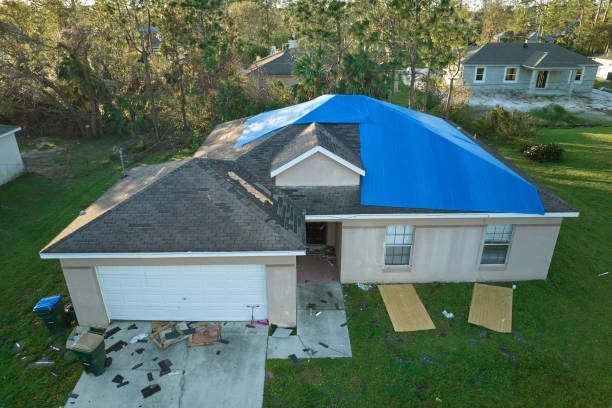
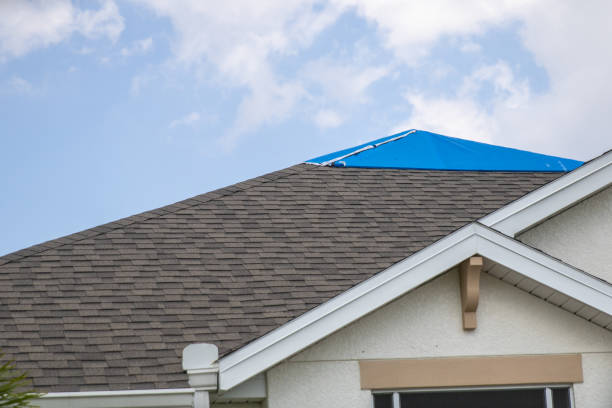
• Tarp installation to cover exposed areas
• Temporary sealing of active leaks
• Clearing debris that threatens roof integrity
• Securing lifted shingles or tile
• Re fastening components affected by wind uplift
• Redirecting water away from vulnerable surfaces
These temporary measures protect the home while providing time for a full storm damage assessment. When homeowners request emergency roof repair, our team responds with urgency and clear communication.
Many companies offer tarping but lack the experience to identify the underlying issues. Bradford Roofing and Construction ensures that both the immediate problem and the hidden damage are addressed in the evaluation that follows.
The Full Storm Damage Repair Process
Once the property is protected and weather conditions allow, the detailed repair process begins. Storm damage repair targets all visible and concealed vulnerabilities to restore the roof’s waterproofing and structural strength.
Comprehensive Roof and Attic Inspection
Identifying the Correct Repair Scope
Restoring Waterproofing Layers
Surface Repair and Material Installation
Final Storm Readiness Check
How Storm Documentation Helps Your Insurance Claim
Insurance companies rely on clear evidence to determine whether a roof has sustained storm related damage. Proper documentation is essential and often determines the outcome of a claim. Bradford Roofing and Construction provides detailed documentation that supports the homeowner during the insurance claim process.
Documentation includes:
• Photos of visible storm damage
• Measurements of affected areas
• Notes on wind uplift indicators
• Evidence of underlayment exposure
• Attic moisture trails and staining
• Flashing or penetration damage
• Detailed descriptions of storm effects
• Written explanations of repair or replacement needs
This information helps homeowners communicate confidently with their insurance carrier. It also provides the adjuster with a clear picture of the roof’s condition.
What to Expect During the Insurance Adjuster Visit
During an insurance claim, the adjuster plays a central role in determining coverage. Homeowners often feel uncertain about what will happen during the appointment. Having a roofing professional available during the inspection ensures that the adjuster views the damage correctly and understands how the storm affected the roof.
During the adjuster visit:
• The adjuster examines exterior and interior damage
• Moisture trails and attic conditions are evaluated
• Storm related indicators are reviewed
• Roofing components are checked for movement or fractures
• The adjuster takes photos and creates a preliminary scope
Homeowners are not required to walk the roof or interpret technical information. Bradford Roofing and Construction helps explain what the adjuster sees and ensures that storm damage indicators are properly acknowledged.
If the adjuster recommends repairs, we provide a scope that aligns with their findings. If the adjuster determines that the roof is beyond repair, we help homeowners navigate the next steps for roof replacement in Orlando when appropriate.
Material Specific Storm Damage Considerations
Different roofing materials react to storms in different ways. Understanding these differences allows us to restore each system correctly.
Shingle Roof Storm Damage
Shingles experience wind uplift, granule loss, nail pops, and shingle displacement. Repairs often involve sealing, replacement of affected areas, correction of failed fasteners, and reinforcement of ridge caps. If damage is widespread, shingle roofs may require larger repairs or replacement.
Tile Roof Storm Damage
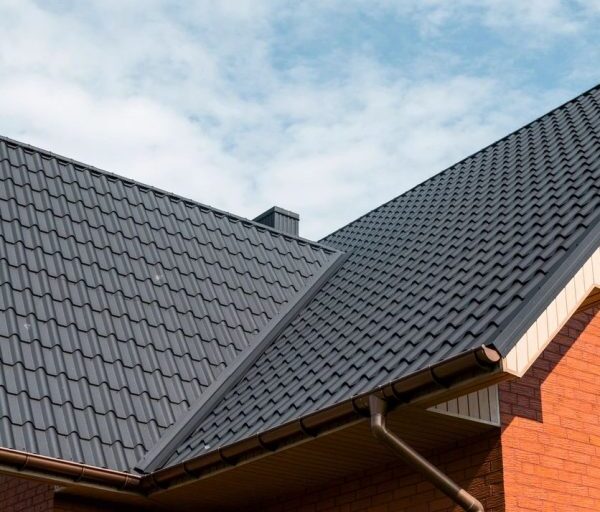
Tile roofs crack easily when struck by debris. Tile slippage is also common and leads to water reaching the underlayment. In many cases, localized repairs can be made, but when underlayment is exposed or deteriorated, broader restoration is needed. When tile damage becomes extensive, homeowners may need guidance evaluating tile roofing system replacement.
Metal Roof Storm Damage
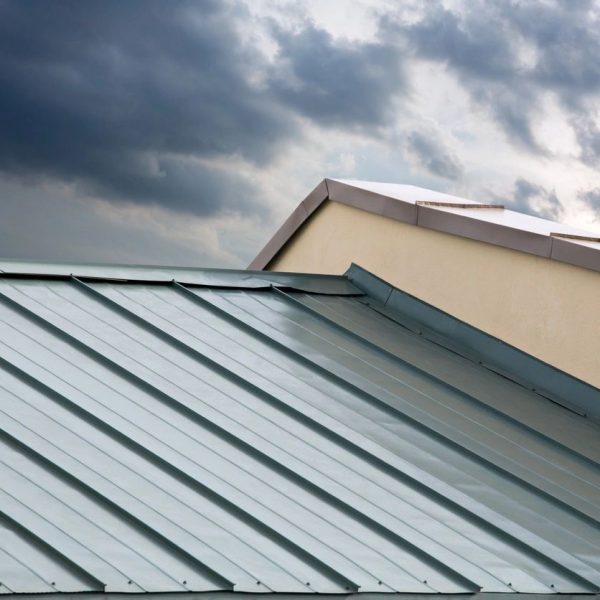
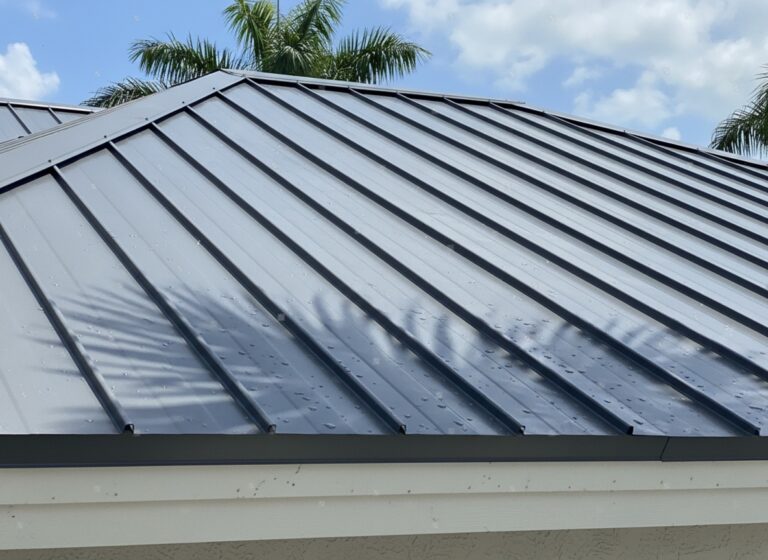
Metal roofs can experience panel movement, seam separation, and fastener back out. Impact dents may compromise protective coatings. Metal repairs require accuracy to prevent new vulnerabilities.
Storm Repair Methods, Emergency Response, Documentation, and Insurance Claim Support
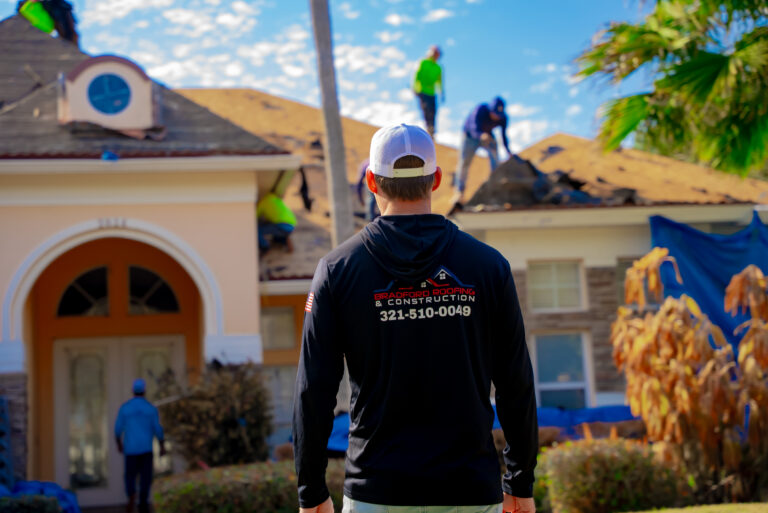
After a major storm, the two most important needs for homeowners are fast protection and accurate documentation. The roof must be secured immediately to prevent active leaks, and evidence of storm damage must be recorded clearly so that the insurance carrier can properly evaluate the claim. Bradford Roofing and Construction provides both. Our team responds quickly to protect your home and guides you through the critical steps that follow.
Emergency Storm Response to Protect Your Home
Storm damage often requires immediate action, especially when the roofing system is exposed and water is entering the home. Emergency service focuses on stabilizing the situation and preventing further damage until full repairs or replacement can occur.
Common emergency services include:
• Tarp installation to cover exposed areas
• Temporary sealing of active leaks
• Clearing debris that threatens roof integrity
• Securing lifted shingles or tile
• Re fastening components affected by wind uplift
• Redirecting water away from vulnerable surfaces
These temporary measures protect the home while providing time for a full storm damage assessment. When homeowners request emergency roof repair, our team responds with urgency and clear communication.
Many companies offer tarping but lack the experience to identify the underlying issues. Bradford Roofing and Construction ensures that both the immediate problem and the hidden damage are addressed in the evaluation that follows.
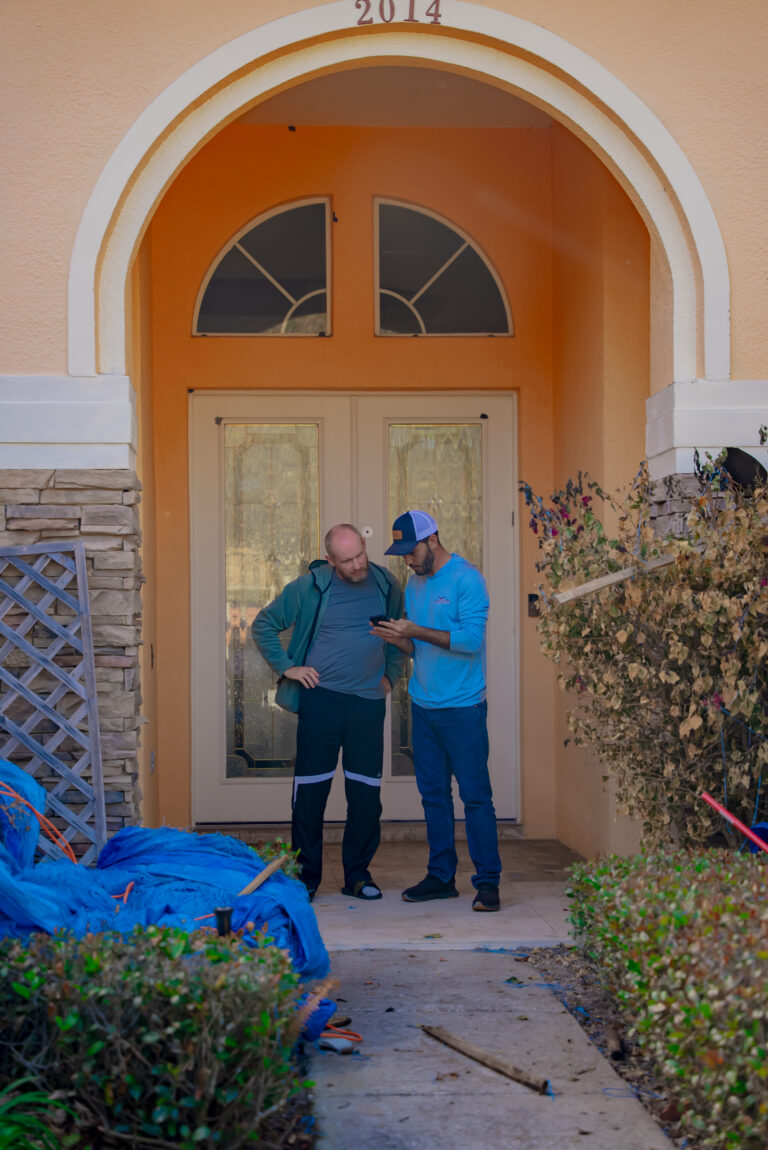
Storm damage often brings homeowners into unfamiliar territory with insurance. The process can feel technical, slow, or uncertain, especially when a roof has significant damage but the homeowner is unsure how coverage applies. Bradford Roofing and Construction provides clear guidance, accurate documentation, and support throughout the process to help homeowners feel confident in every step.
How Insurance Companies Evaluate Storm Damage
Insurance carriers focus on determining whether the damage was caused by a qualifying storm event or by wear and tear. The distinction is important, and proper documentation helps the carrier understand what occurred.
Insurance adjusters typically look for:
• Wind uplift indicators on shingles or tile
• Impact marks from debris
• Missing shingles or broken tiles
• Underlayment exposure
• Flashing separation
• Moisture trails inside the attic
• Damage patterns consistent with storm conditions
• Age related deterioration that may not be covered
Homeowners do not need to argue or interpret findings. Our team helps ensure that the adjuster sees the full extent of storm related issues and understands the condition of the roofing system.
For homeowners with widespread storm effects, guidance through the insurance claim process provides clarity and organization.
Why Claims Sometimes Get Denied
Denials are frustrating for homeowners, but they often occur due to preventable reasons. Understanding why a denial happens helps homeowners navigate the next steps.
Common reasons for denial include:
• Reporting the claim too late
• Damage determined to be age related
• Lack of visible storm indicators
• Improper documentation
• Non storm related leaks
• Roof age beyond carrier limits for coverage
When a claim is denied, Bradford Roofing and Construction can provide photographs, inspection details, or further explanation if the carrier requests clarification. In some cases, a supplemental review can occur when new information becomes available.
Understanding the Insurance Claim Timeline
Although every carrier operates differently, most claims follow a similar timeline.
Initial Report of Damage
Roofing Inspection
Adjuster Appointment
Claim Evaluation
Approval or Denial
Work Completion
Timely reporting and proper documentation are key. This is why storm evaluation, emergency protection, and repair guidance are essential parts of storm damage roof repair.
What Are Supplements and How Do They Work
A supplement is an adjustment to a claim when additional damage is found or when the approved scope does not include all necessary components. Supplements are common in storm related roofing projects.
Examples of supplement reasons:
• Hidden decking damage not visible during initial inspection
• Additional flashing required for code compliance
• Replacement of materials not listed in the initial scope
• Underlayment quantity adjustments
• Updated fastening requirements under Florida Building Code
Supplements ensure that the repair or replacement is completed correctly. Bradford Roofing and Construction provides the documentation needed and communicates with the carrier when additional work is required.
Florida Building Code and Storm Related Roofing Work
Florida Building Code protects homes from wind and moisture intrusion. Storm related roof work must meet these standards to ensure long term durability.
Code requirements influence:
• Fastener placement
• Nail type and corrosion resistance
• Underlayment installation
• Flashing construction
• Water barrier reinforcement
• Valley and ridge construction
• Ventilation standards
• Tile fastening methods
• Metal panel alignment and fastening
Correct storm repair restores the roof to pre storm condition and ensures the home is protected during future weather events.
Choosing Between Repair and Replacement After a Storm
Storm related issues vary greatly. Some can be corrected with targeted repair. Others require full replacement to restore the roof’s structural integrity.
Repair is typically suitable when:
• Damage is limited to a small area
• Underlayment remains intact
• Only one or two shingles or tiles are affected
• Attic moisture is minimal
Replacement is more appropriate when:
• Several slopes show damage
• Underlayment deterioration is widespread
• Decking has moisture damage
• Tile underlayment is near the end of its lifespan
• The roof is already near the insurer’s age limit
When replacement is required, our team helps homeowners evaluate roof replacement in Orlando and understand the best options for long term performance.
Warranty and Protection for Homeowners
Bradford Roofing and Construction provides workmanship protection for qualifying storm repairs, and manufacturer warranties remain valid when installed according to guidelines. Repairs and replacements follow all Florida Building Code standards, providing another layer of homeowner protection.
Regular inspections and seasonal evaluations also help extend the life of the roofing system and prevent storm related issues from developing later.

Schedule Your Storm Damage Inspection
Fast, professional evaluation after a storm protects your home and simplifies the insurance process. Whether you need repair, replacement, or documentation for your claim, our team is ready to help.